To strengthen dual learning, the government approved a draft decree simplifying recognition requirements for companies. The minimum age for mentors is lowered from 25 to 23. Additionally, a temporary student internship will be possible during the processing of a recognition application or upon early termination of an agreement. The possibility of a student internship for transnational learning mobility is also enshrined. The draft proposals will be submitted to the Social-Economic Council of Flanders, the Flemish Education Council, and the Flemish Partnership Dual Learning, followed by the Council of State.
A new decree aims to create a uniform European protection system for geographical indications of artisanal and industrial products. The Flemish Government has again given its principal approval to the draft decree implementing this system within the Flemish Region, designating the Department of Work, Economy, Science, Innovation and Social Economy as responsible for personal data processing in supervising entrepreneurship trajectories. The Council of State's advice is being sought.
In the context of the 2027 budget, the support instrument kmo-portefeuille (SME portfolio) will be discontinued as of January 1, 2027. The Flemish Government has approved the decision to abolish it. Applications submitted by December 31, 2026, will still be processed under the existing regulations. The Council of State's advice is pending.
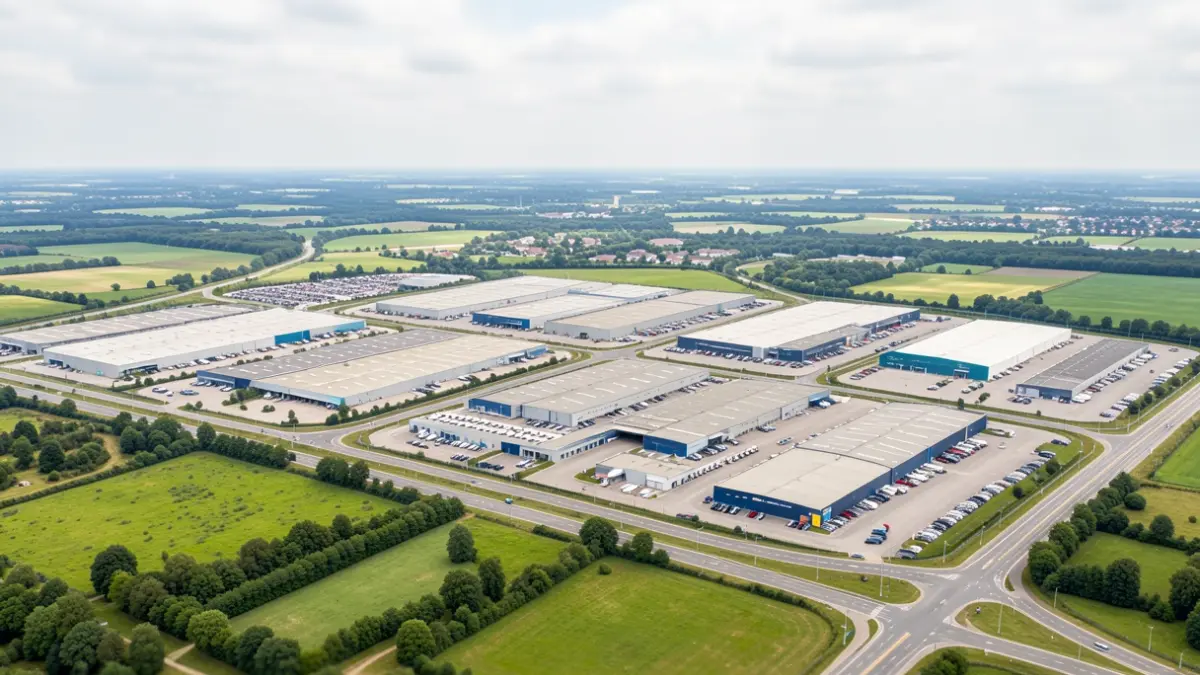
The Flemish Government approved addenda to Brownfield Covenants for projects in Genk (Genk Green Logistics), Hamme (Tasibel), and Zwevegem (Strategic Project Bekaert). These covenants encourage the redevelopment of brownfield sites. In Genk, the realization period is extended, and Beverages Assets joins. In Hamme, the residential project for those in need of care is expanded, and the deadline is extended. In Zwevegem, the site will be redeveloped into a mixed-use program, and the duration is extended due to additional PFAS soil investigation.
In Leuven, Brownfield Covenant 273 (Wetenschapspark Leuven Noord) has received principal approval. This project involves the redevelopment of the former railway site north of the Leuven station into an innovation district. The Agency for Innovation and Entrepreneurship will organize a participation and information moment in collaboration with the city of Leuven.
The rules for the Special Research Funds (BOF) at Flemish universities are definitively amended following advice from the Council of State. The spending of funds is adjusted, the scheme for inter-university projects is abolished, and opportunities for part-time appointment of researchers at Flemish scientific institutions are expanded. Methusalem financing will also become more flexible.
The regulatory framework of the Research Foundation – Flanders (FWO) is being adapted to strengthen it as the 'home for every excellent researcher'. The changes aim to broaden access to the fund and shorten the time to market. Regulations on strategic basic research, previously spread across multiple decisions, are consolidated within the FWO regulations.
The draft decree amending science and innovation policy has received final approval. It strengthens the FWO, allows for further rationalization of funding channels, and prepares the shift of medium-sized research infrastructure from the FWO to the Special Research Funds. Outdated provisions are repealed, and regulations are clarified and updated. The draft decree will be submitted to the Flemish Parliament.
SynPet Circularity Plant Antwerp nv will receive 1 million euros in Strategic Transformation Support for the construction of a chemical plastic recycling plant in the port of Antwerp. The innovative process converts various plastic waste streams into circular naphtha. SynPet's investment amounts to 342 million euros.
Trividend CV, the Flemish Social Economy Participation Fund, has completed a capital round, raising €4,000,483.27 from private partners. The Flemish Government reaffirms its commitment with an additional participation of €1,999,830.94 in the capital increase.