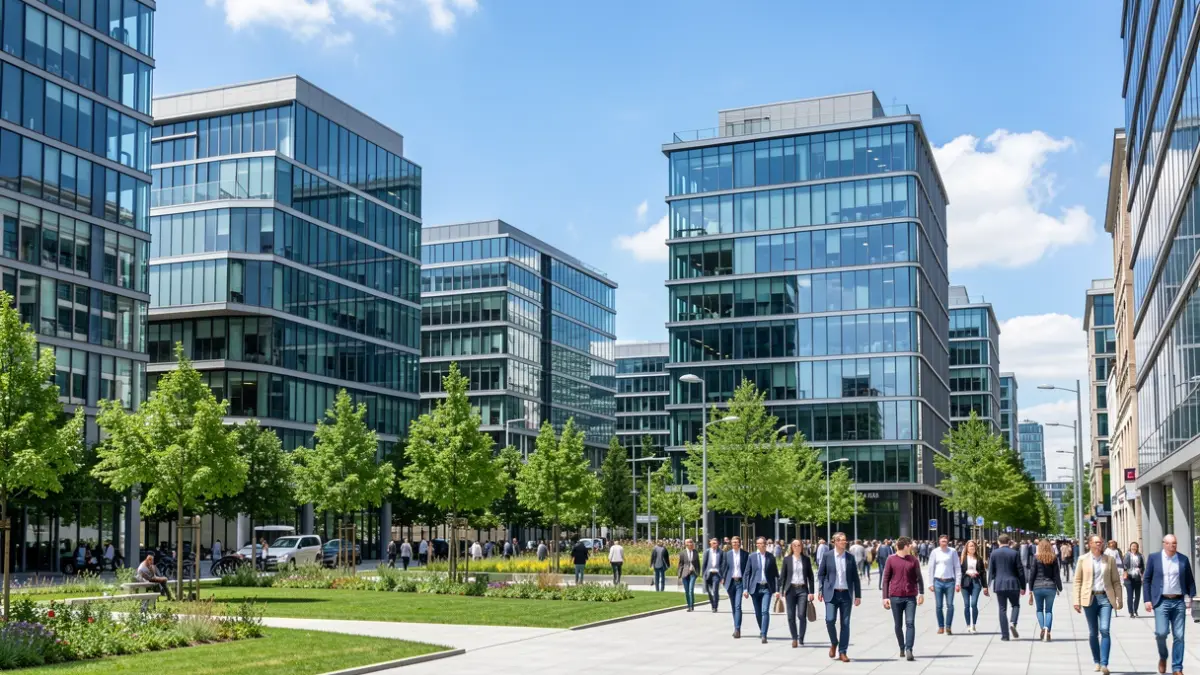
POM Limburg has announced plans for a new Business District at the Health Campus in Diepenbeek. The initial phase, spanning around 7,500 m², is estimated to cost 20 million euros. This initiative is part of a broader ambition to increase the added value of the Limburg economy and further develop the province's campuses.
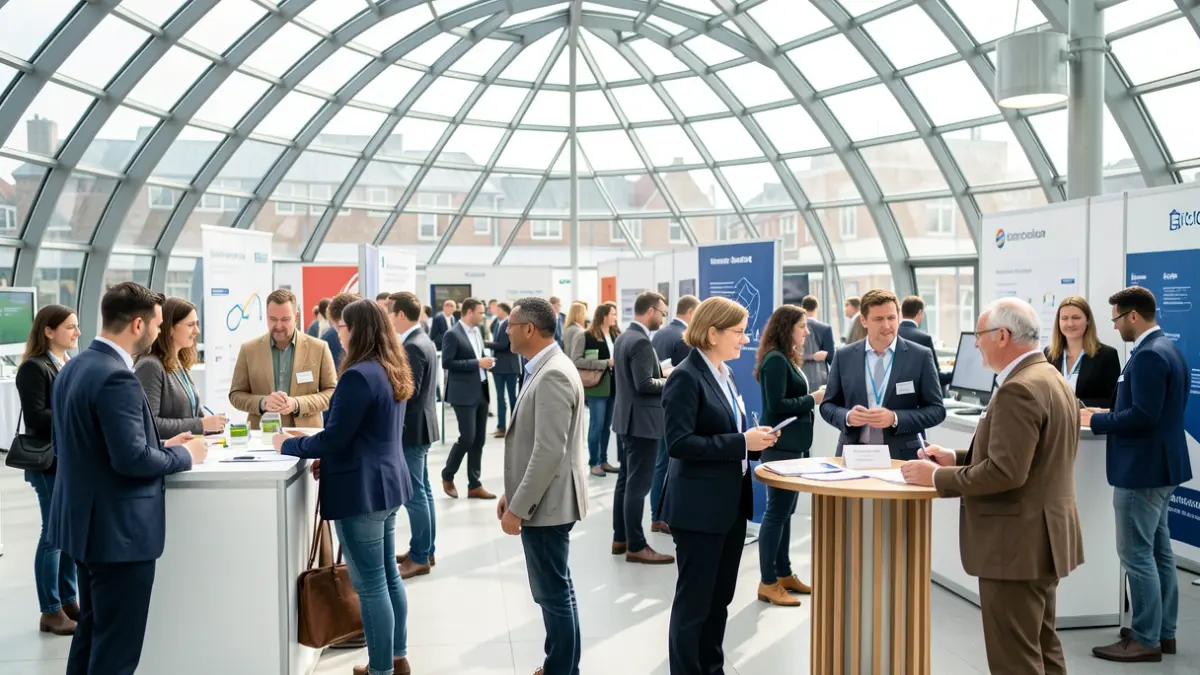
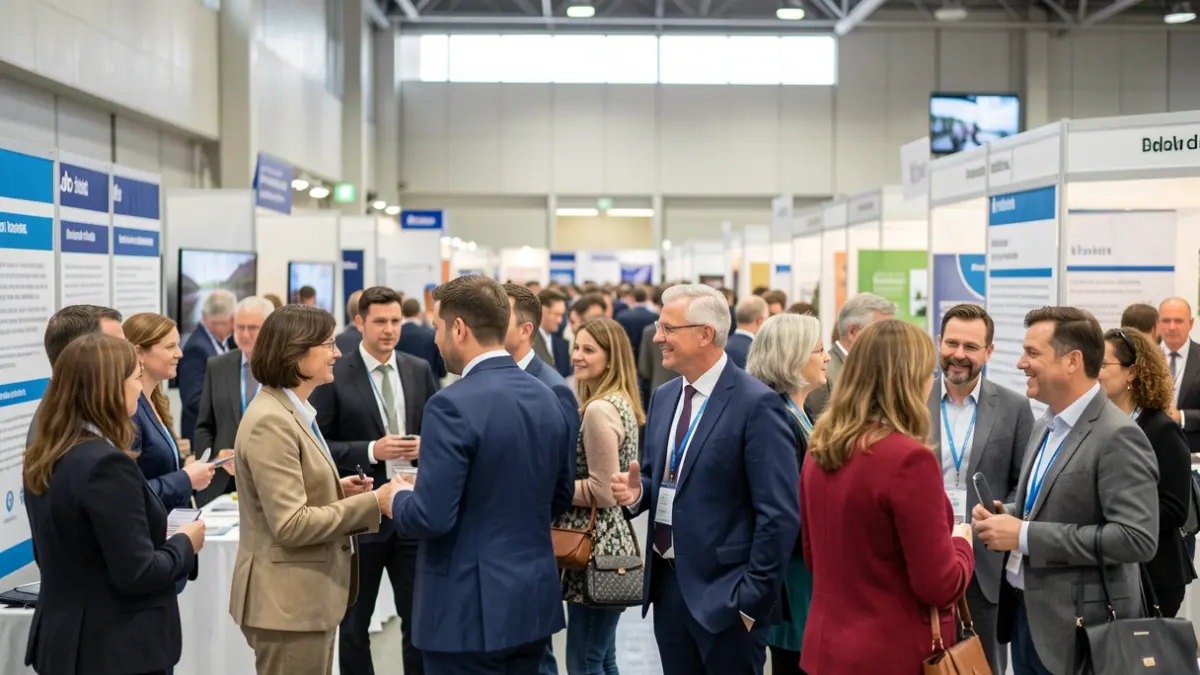
The announcement was made at the recently opened parking garage at Limburg DC in Diepenbeek, a location that visibly showcases past investments. The event focused on the economic future of Limburg, highlighting added value, innovation, Big Science, and the ongoing development of the provincial campuses.
The campuses, including the Health Campus and Bouwcampus in Diepenbeek, and the Logistieke Campus in Genk, play a vital role in POM Limburg's economic strategy. These ecosystems are designed to foster sectors with economic and technological growth potential for the province. The open innovation center at the Health Campus is slated for completion by the end of 2027, followed by the Bouwcampus in early 2028 and the Logistieke Campus in the summer of 2028.
Noël Slangen, general director of POM Limburg, emphasized that the investments are aimed at promoting collaboration between science, education, and businesses. "When you bring science, education, and companies together, researchers and entrepreneurs find each other faster, and ideas have more opportunities to grow into applications and business," stated Slangen.
The new Business District at the Health Campus is intended for life sciences companies outgrowing BioVille and for larger enterprises. The first phase of 7,500 m² could eventually expand to 15,000 m², offering space for offices, research, and specialized laboratories. Tom Vandeput, deputy for Economy and chairman of POM Limburg, noted that campuses should not only help companies start but also provide them with room to grow.
POM Limburg is directly managing the development, with a provincial investment of up to 10 million euros. The search for an architect will begin this year, with the aim of completing the first phase of the Business District by 2029. Private investors may participate in later stages.
These investments align with the broader ambition to increase the added value of the Limburg economy. The province has made significant progress in the labor market over the past decade, with an increase in employment and a decrease in unemployment. The next objective is to raise the economic value per hour worked, from the current 81 euros to the Flemish average of 93 euros, which would represent an additional 5.2 billion euros in added value annually.
Noël Slangen highlighted the significant untapped economic potential. Tom Vandeput added that due to an aging population and labor market shortages, it is crucial to create more value with the existing workforce through innovation, digitalization, and talent development.